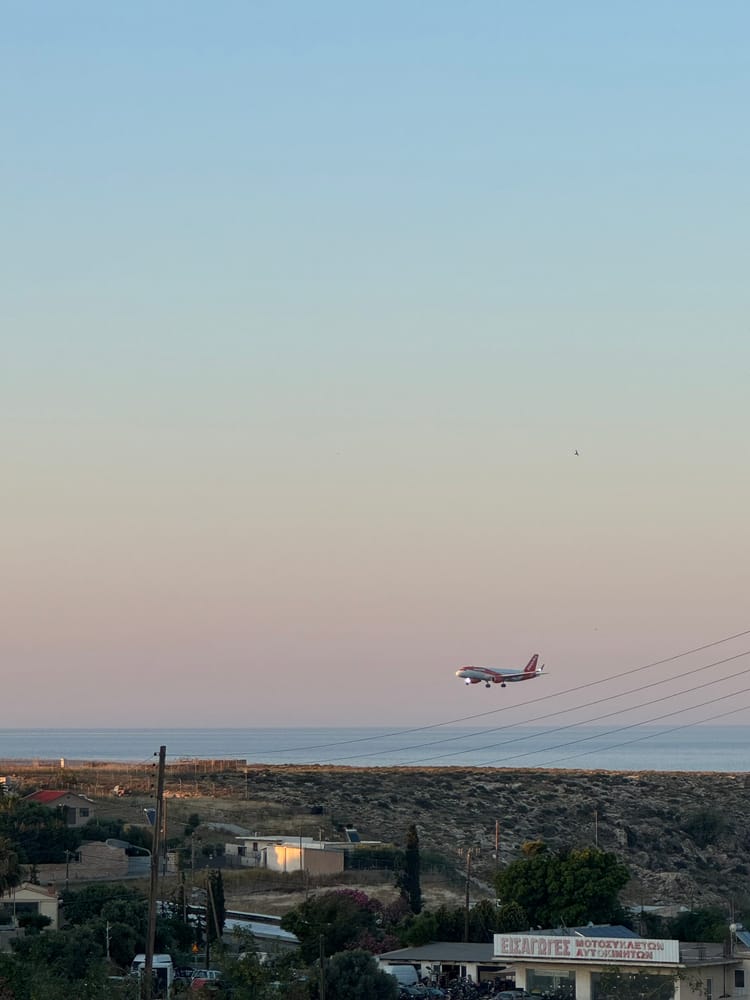
Week 2: Hardware, Repairs, and the Greek Easter Mystery
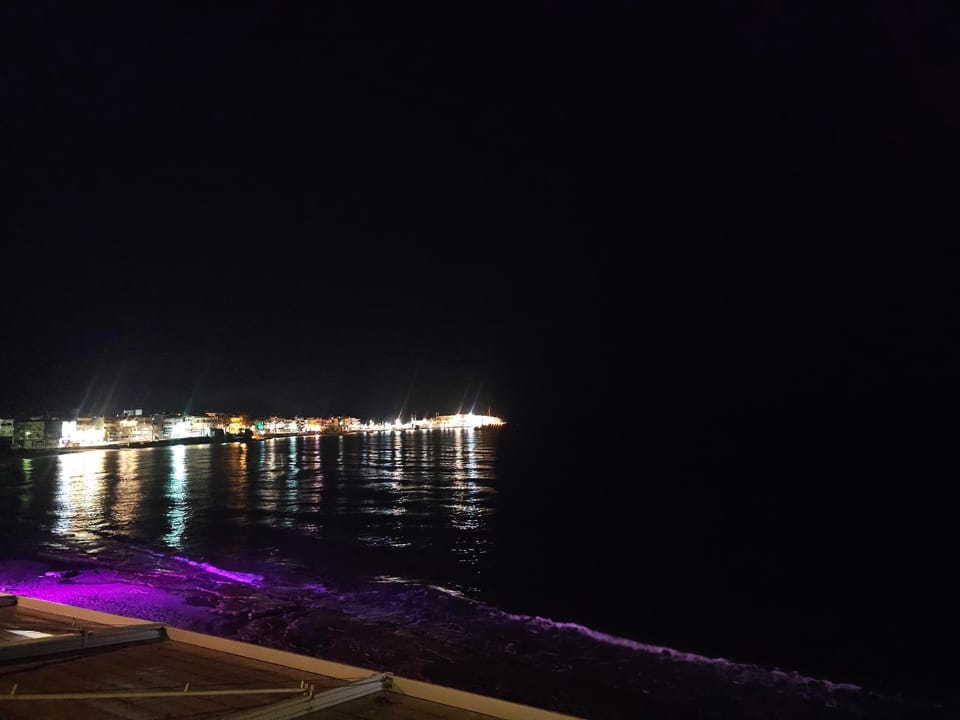
Moin! Week two in Heraklion is in the books. While I’m getting more comfortable with the technical side of the internship, this week was a major lesson in Greek culture and how they celebrate Easter.
Tech & Daily Life at the Store
The week kicked off with some solid productivity. On Monday, I handled some standard repairs: upgrading the RAM in one PC and replacing a network card in another. Afterward, we did our big weekly grocery run to stay stocked up.
On Tuesday, things got a bit more detailed. I disassembled a laptop to clean the fans with compressed air and applied new thermal paste to the CPU of another model. After work, I picked up a new book and spent a chill evening reading.
Wednesday was a mix of logistics and research. I helped my colleague organize the warehouse and looked into the prices for Access Points. To be honest, considering the age of the equipment, the price was way too high in my opinion, so I decided against it. We ended the workday by hanging out together in the garden.
Easter on Crete: A Different World
Since Orthodox Easter is one week later than in Germany, things got interesting starting on Maundy Thursday. I had been struggling with a slight cold all week, so a relaxed Thursday was exactly what I needed to recover.
On Good Friday, a colleague and I headed to the village of Episkopi. We watched the church service from the outside—it lasted nearly two hours. Afterward, a symbolic "coffin" (Epitaphios) was carried out of the church, and the entire community followed it through the narrow streets. It was very crowded, as many Greeks travel back to their home villages for the occasion.
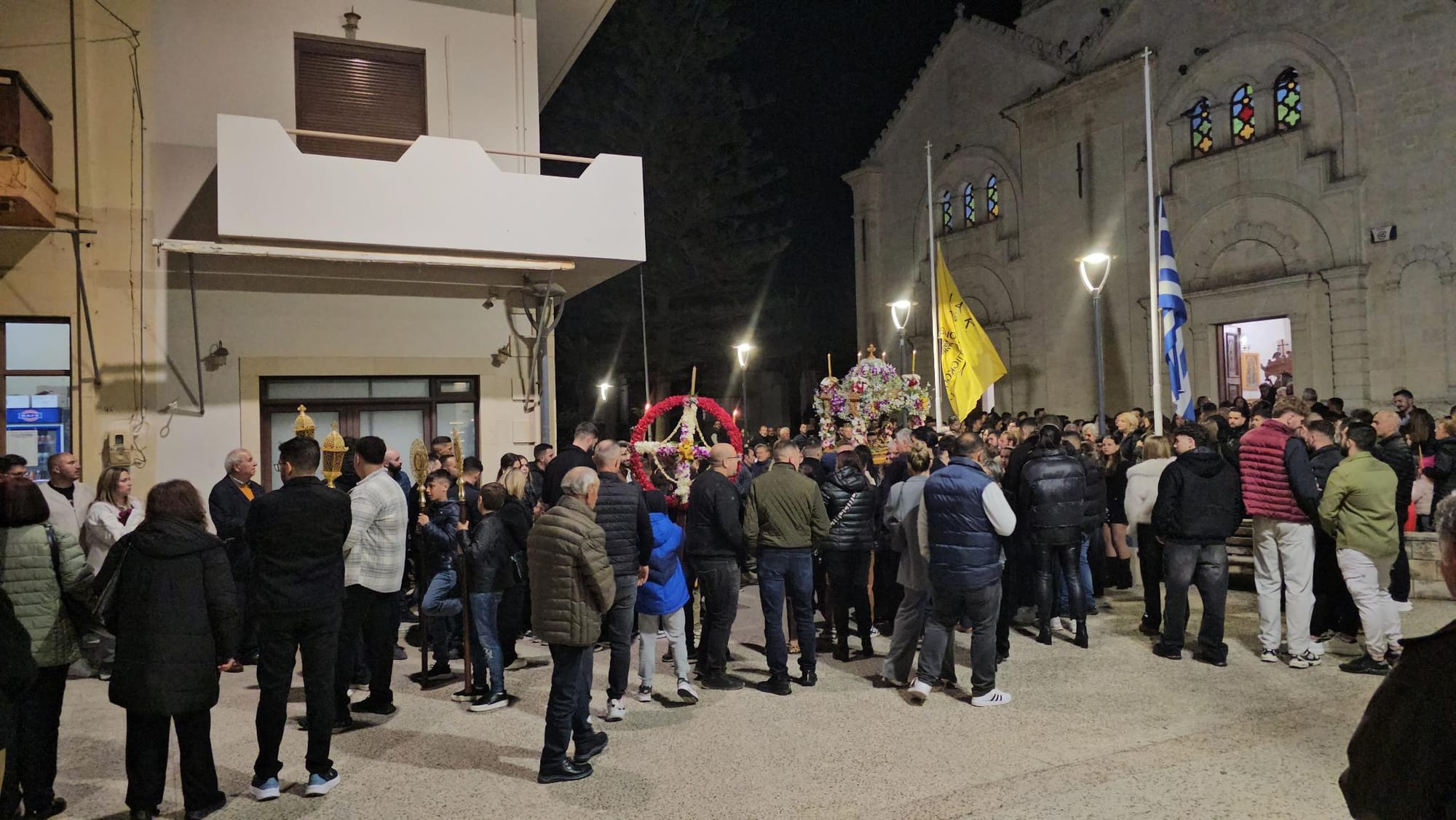
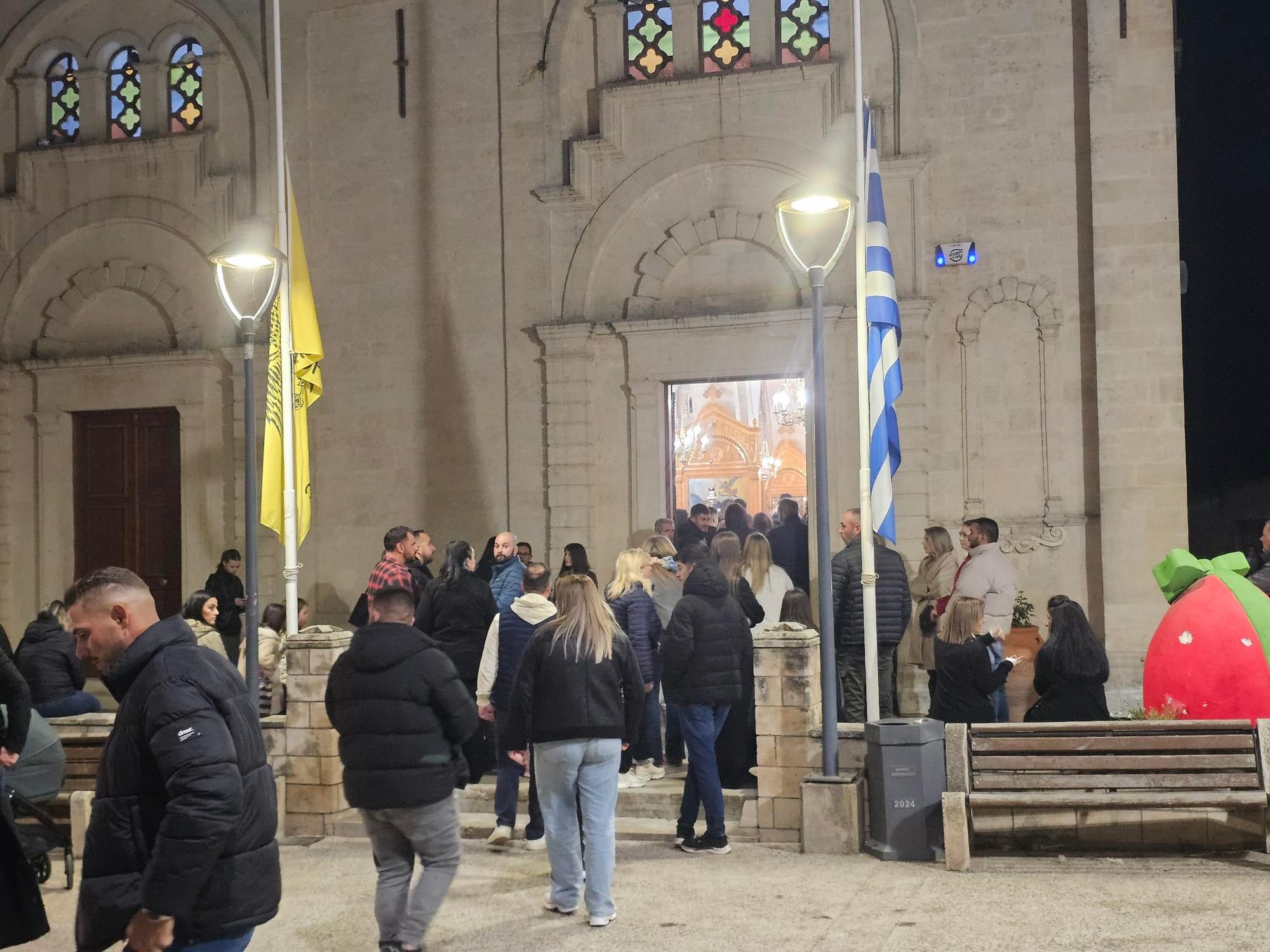
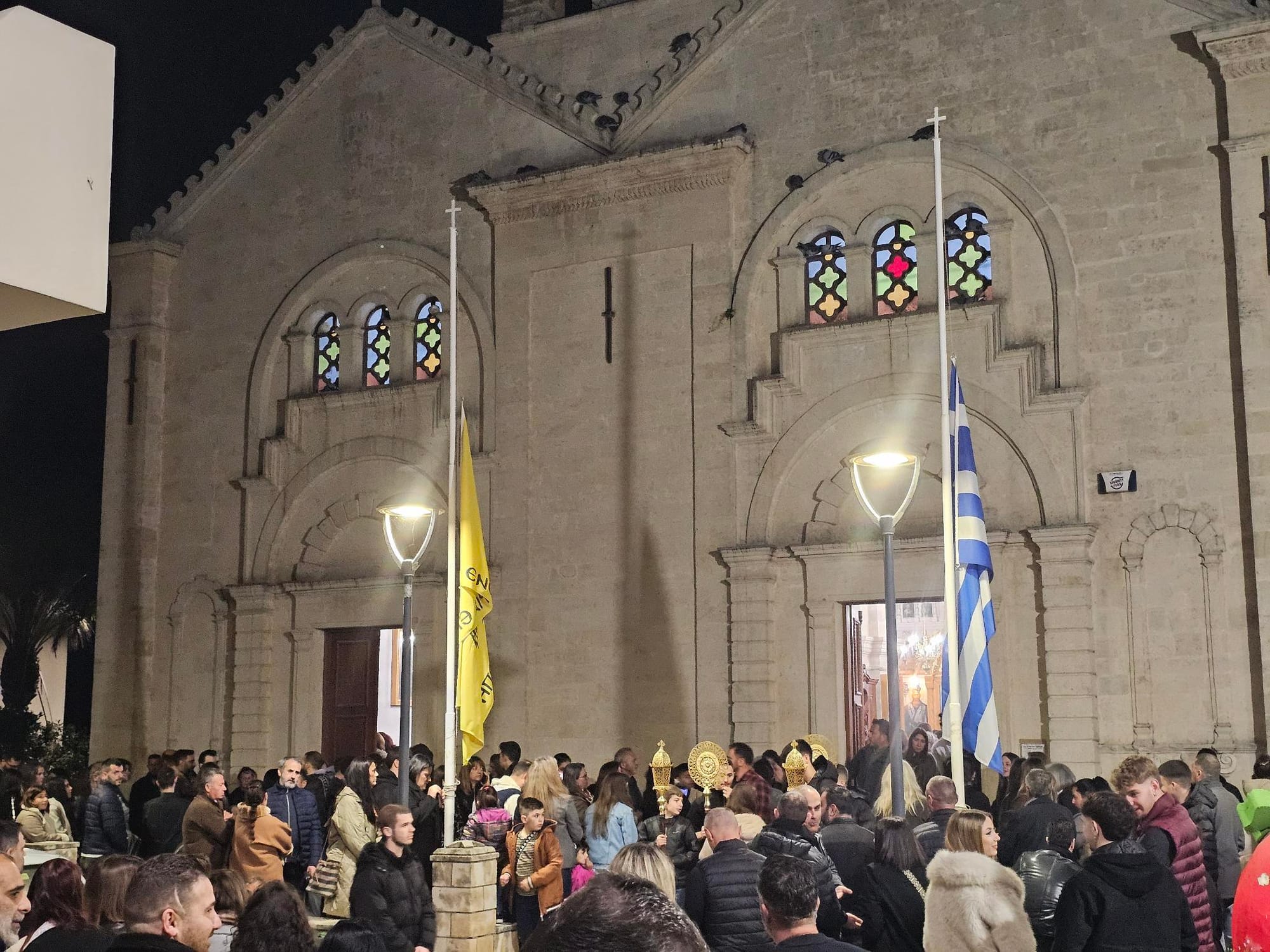
Photos from and after the church servicePhotos from and after the church service
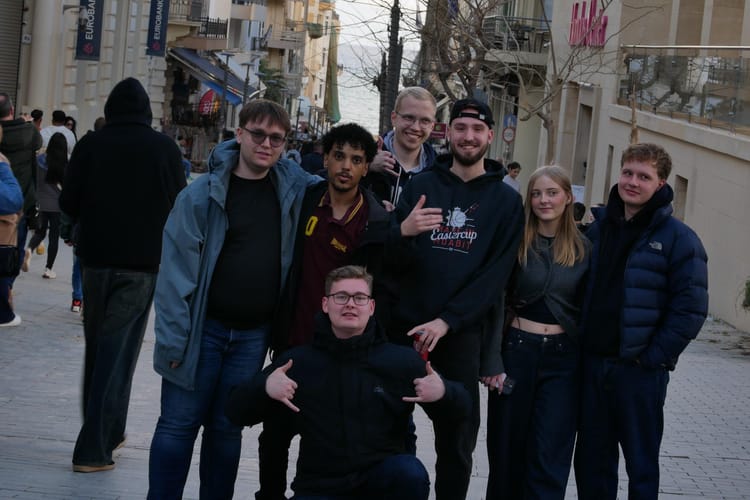
The Club Hunt: Unlike Germany, there is no "dance ban" here. However, we realized that even if clubs are open, it doesn't mean people are partying. We searched from 11 PM to 2 AM, but every single club was empty.
Fireworks and Silence
On Holy Saturday, most of our group hoped the clubs would finally be full—but they weren't. Most Greeks were either at church or with their families. We saw massive bonfires in front of many churches and lots of fireworks being set off. I found out that the fireworks represent light overcoming darkness, while the bonfires are symbolically used to "punish" Judas for his betrayal.
By Easter Sunday, Heraklion was like a ghost town. The city center was deserted because everyone was celebrating at home with their families. While the city was quiet, you could constantly hear fireworks and people having a good time further out in the residential areas.
Summary of the week: Technically, it's becoming routine, but culturally, this week was a true highlight. It’s clear that traditions still hold immense value here—even if it means the clubs stay empty for a few nights.